I’ve already mentioned how Planning in Management is influenced by concepts devised in the Military. It’s natural, therefore, that today we usually divide Planning into three analytical levels with a strong military flavor: Operational, Tactical and Strategic (a clear example of a classical proverb that in the Military everything consists of three parts :-)). Continue reading
Category Archives: Decision Making
“Who said I cannot be Scientist and Artist at the same time?” – From Ask Anya mails
Following post “Craftsman, Scientist or Artist – who are you? Three approaches to Expertise”
“You presented a very interesting approach to Expertise in defining the Craftsman, the Scientist and the Artist types, however I cannot say I entirely agree with these strict constraints. I consider myself a highly qualified craftsman: with so many years of expertise in my domain I have clearly mastered all the critical tools and techniques. Does that mean I cannot be a Scientist discovering new approaches or an Artist who brings his soul into everything he does?” Continue reading
Emotional Decision-Making: is there such a thing?
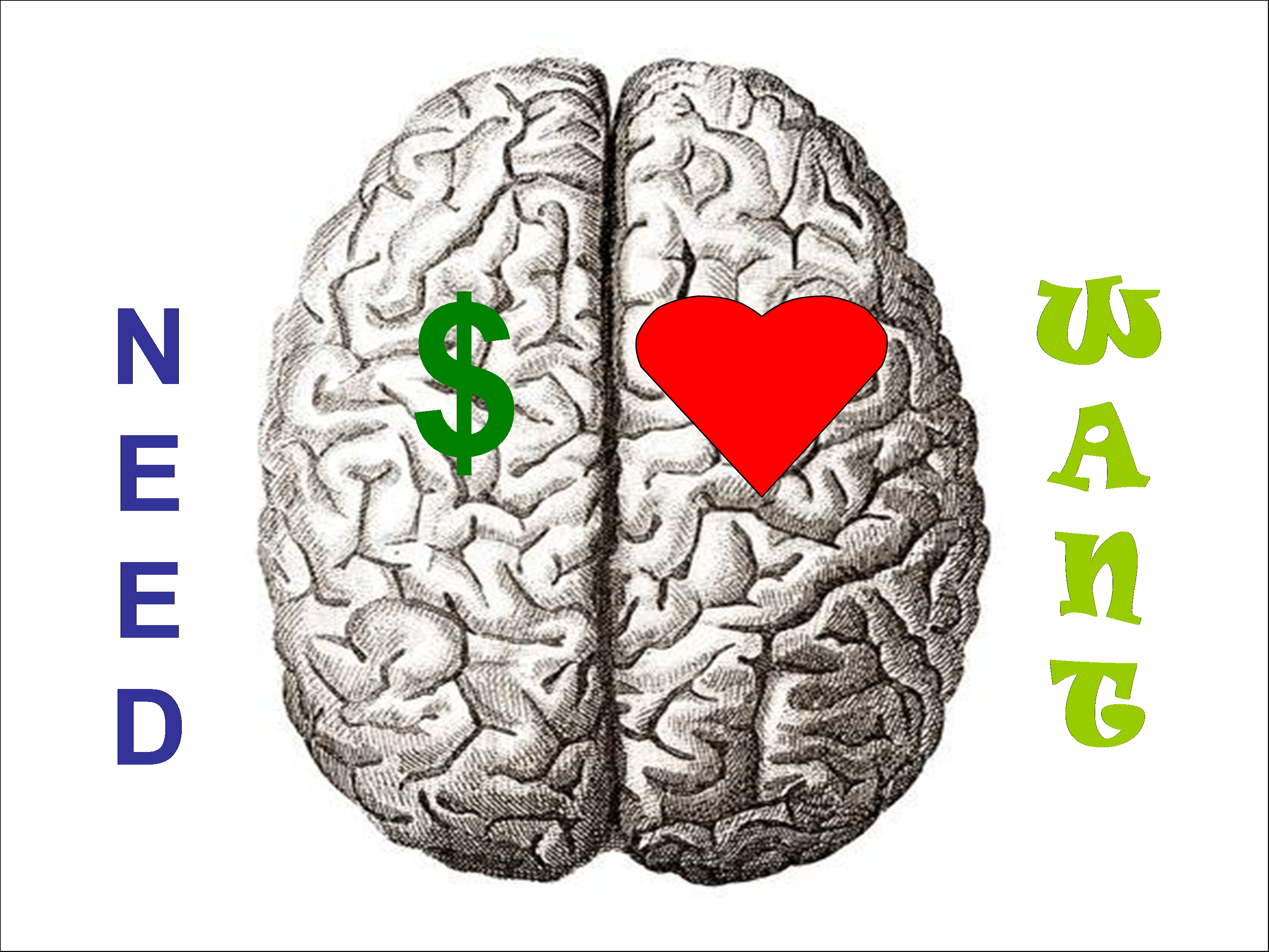
I’m completely sure that everyone reading this article had a following frustrating experience at least once in their life: during an argument you present the other side with all the possible rational pros and cons of your respective positions, and your own position appears much more advantageous. However the other side doesn’t seem to care about you being objectively right, keeping on saying that “It still doesn’t feel right!” Continue reading
Risk Assessment model – watch out for Biases!
In my post on Risk Awareness I promised to provide you with a comprehensive model for managing your risks, so here I am, fulfilling my promise 🙂
Successful managing of risks is based on their proper assessment, because the main decisions you’ll be making here would mostly be about dedicating resources for dealing with the risks. Knowing to assess the risks correctly will help you prioritize the investment of resources for each and every one of them. The model will help you Continue reading
“Why do you need Long-term goals?” – From Ask Anya mails
Following post: “Why do you need long-term goals”.
“I have a problem with having too much emphasis on the long-term. When people concentrate on the general vision they tend to forget “small”, but important things like legal aspects, marketing, funding, etc. that can potentially prevent their “great vision” from coming into reality. How do you solve this contradiction?” Continue reading
Comparing the incomparable
We all have been taught at certain stage that you cannot compare apples to oranges. What was usually meant by that is that the world is divided into clear categories and those categories should not be mixed up. There are Developers and there are Managers, there are First world countries and there are Third world countries, there are “winners” and there are “losers”. By conveniently dividing the complex reality into more simple and digestible parts this thumb rule clearly makes our life easier, but nevertheless – is it true? Continue reading
Life without biases Part 2: Where do they come from?
In the previous post about Biases we’ve talked about what they are and what influence do they have on our performance as Managers.
In order to better understand this influence, people who study the subject tend to divide Biases into types. The problem is that typology presented as Continue reading
Life without biases Part 1: Is it possible?
The events of the recent years have clearly shown the repercussions of bad decision-making, both on a personal level when people were buying things they cannot afford; on a corporate level when companies kept pouring money into unsuccessful projects, neglecting all kinds of efficiency monitoring; on the national level when whole countries Continue reading
Disaster Management – when Bias strikes
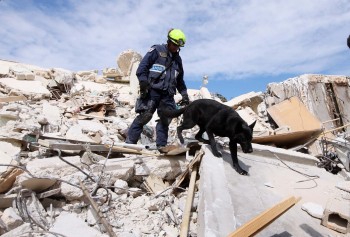
Disaster Management has one trait that distinguishes it from other fields of Management – its effectiveness is MEASURED IN HUMAN LIVES. Though many of us do not frequently have to provide decisions of the same significance, it’s interesting Continue reading
Disaster Management – something to learn from
Let’s admit it: the crisis is no longer at our doorstep, it’s already making havoc inside the house. It’s not a question of falling or not falling from a “fiscal cliff”, it’s a question of having just further cliffs before you instead of straight road.
This may well mean that ALL MANAGERS IN THE NEXT FEW YEARS ARE GONNA BECOME CRISIS MANAGERS. Continue reading